Skip to content

Cart

Your cart is empty

Continue shopping
Wabi Sabi Collection - Artspire Home

Wabi Sabi Collection

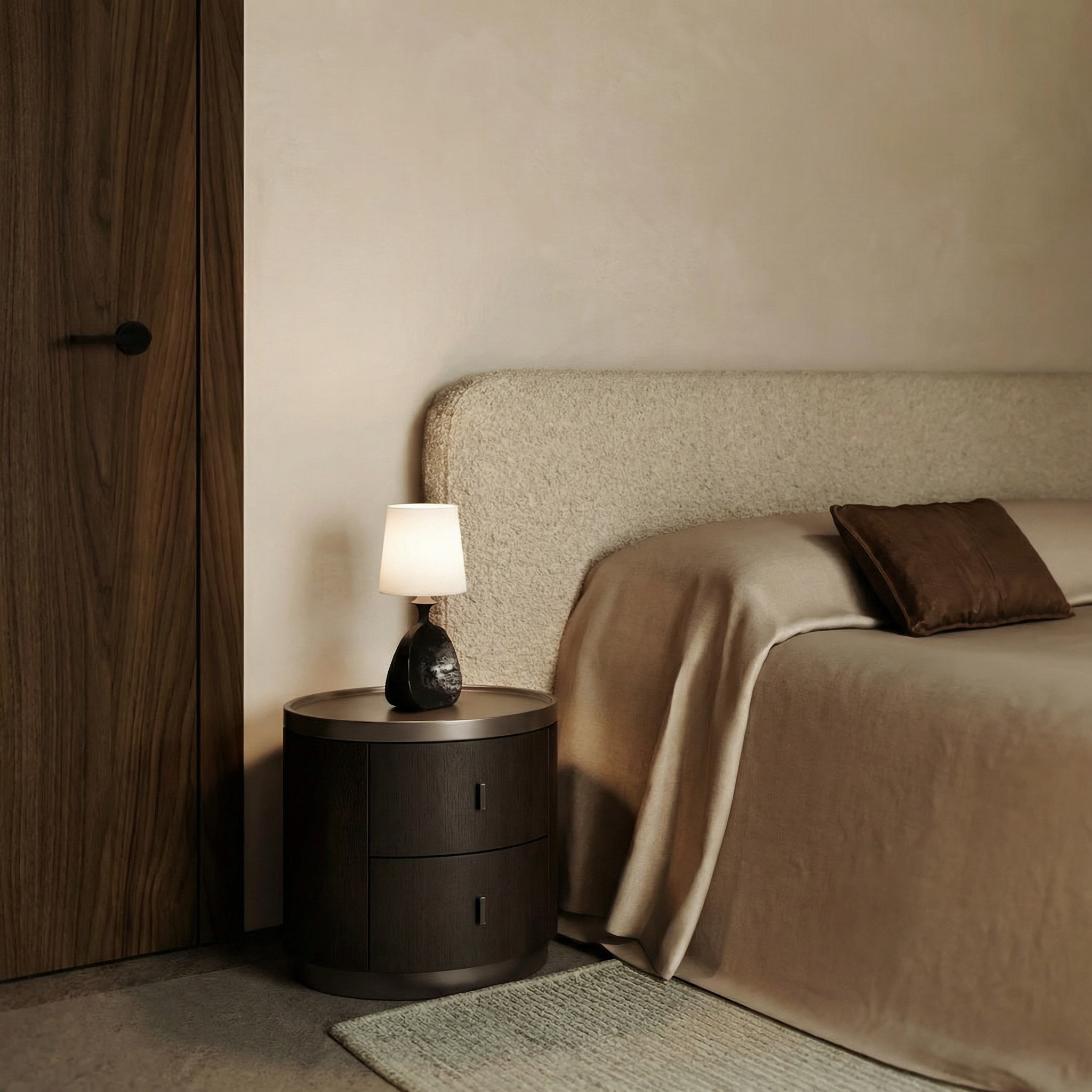
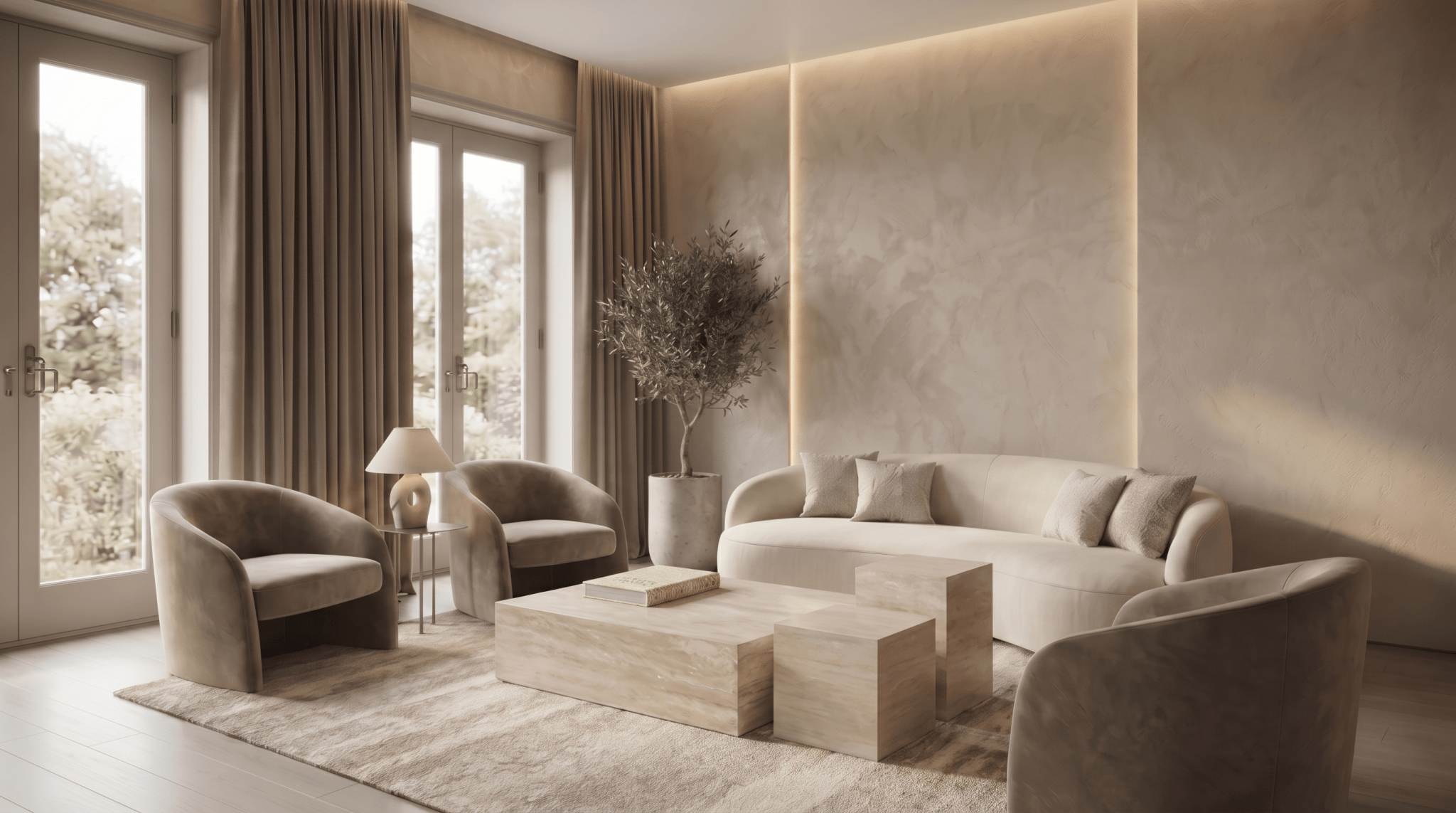
Welcome to our enchanting collection of Wabi-Sabi furniture and homeware, where the essence of simplicity and imperfection intertwine to create a serene and harmonious ambiance for your living spaces. Inspired by the ancient Japanese philosophy of Wabi-Sabi, this collection celebrates the beauty found in nature's inherent flaws and embraces the transience of existence.
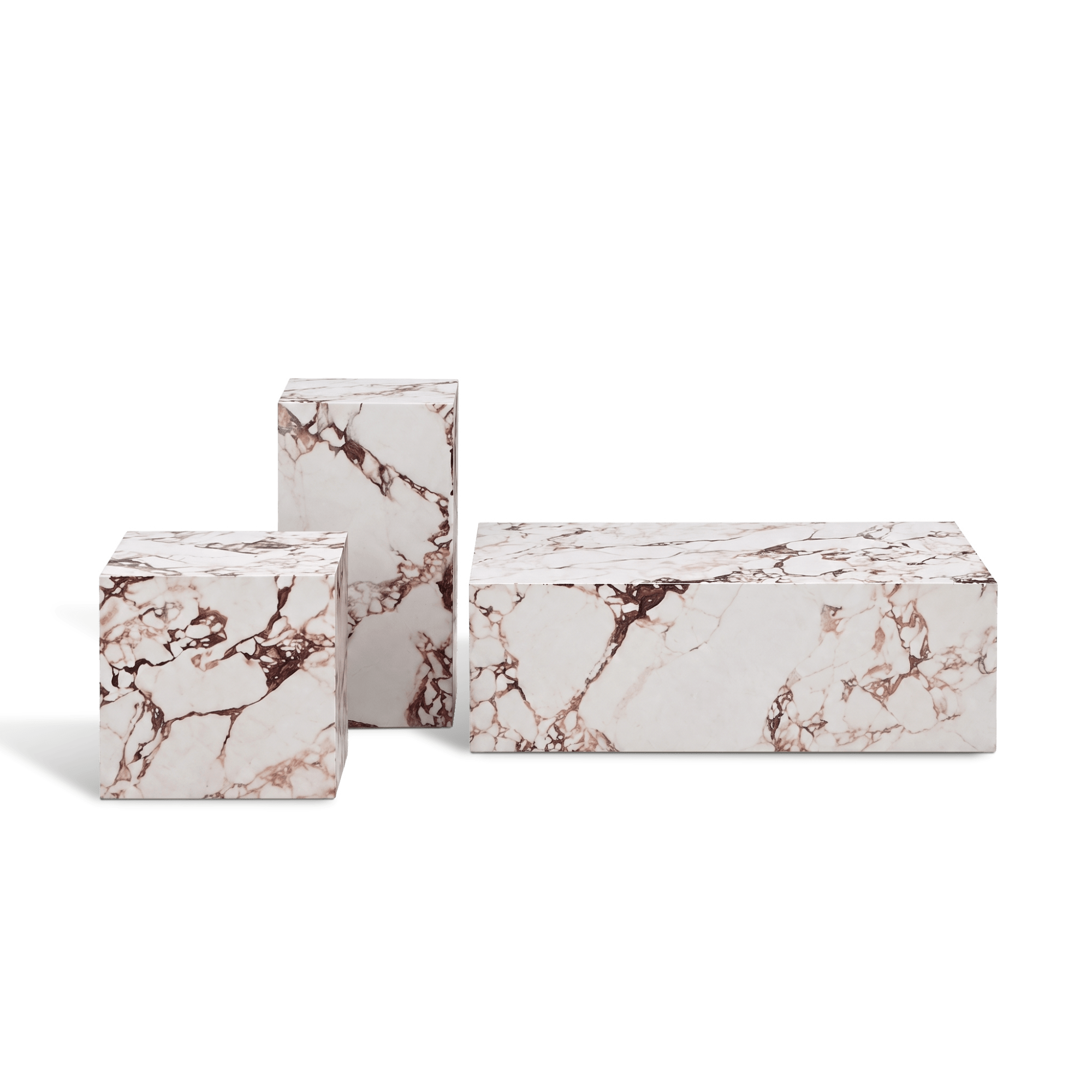
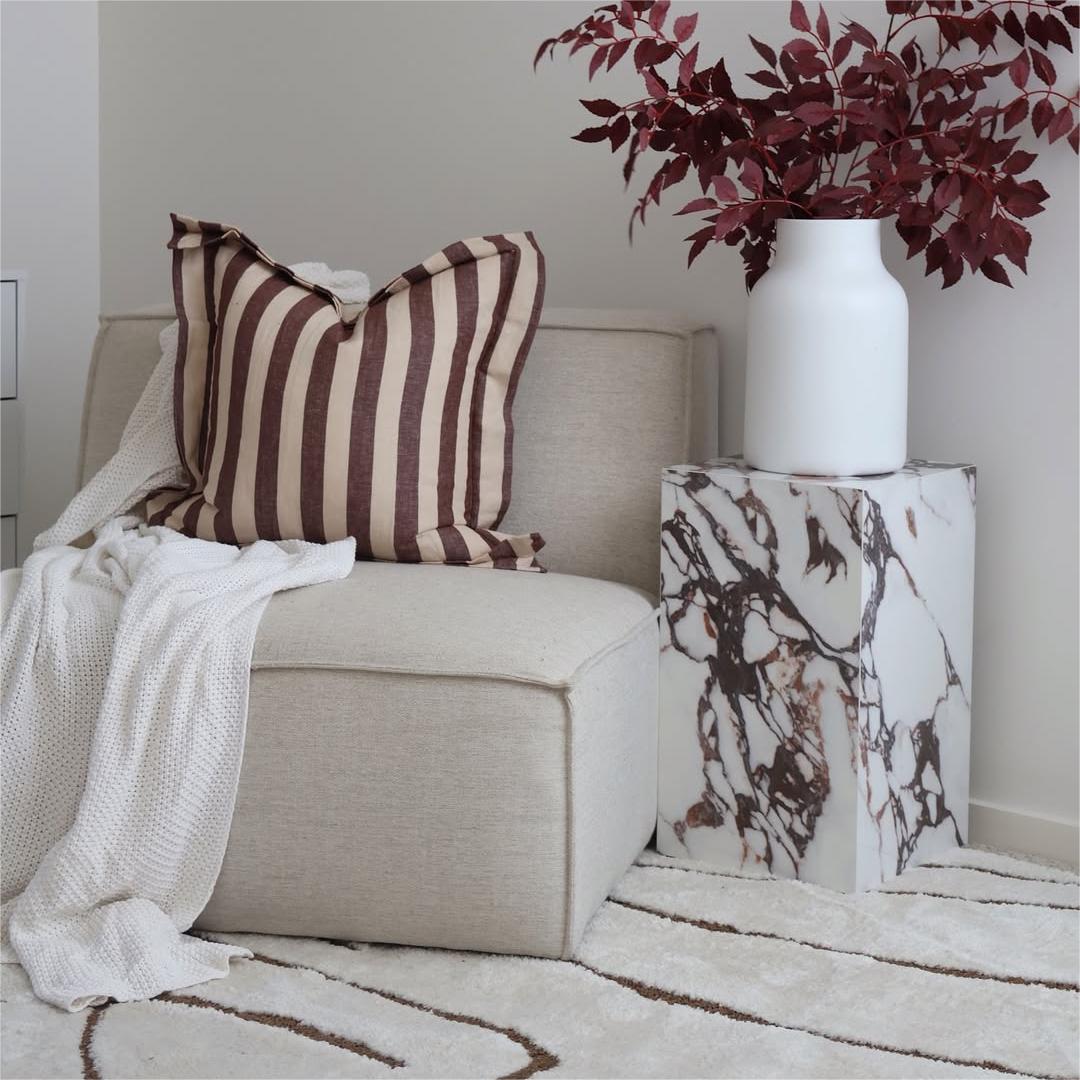
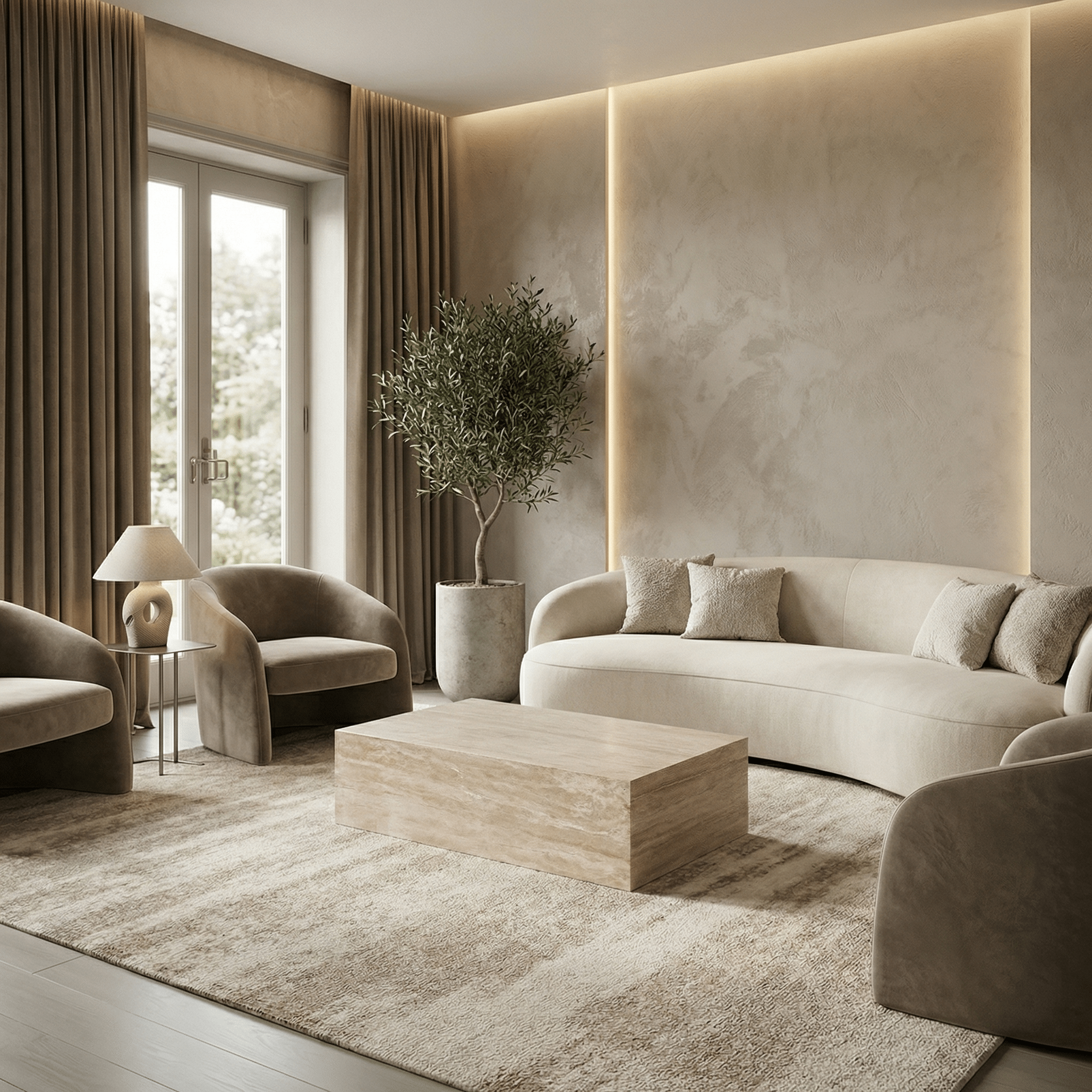
Plinth Table - Demeter Coffee Table - Artspire Home
Sale priceFrom $454.30 Regular price$649.00
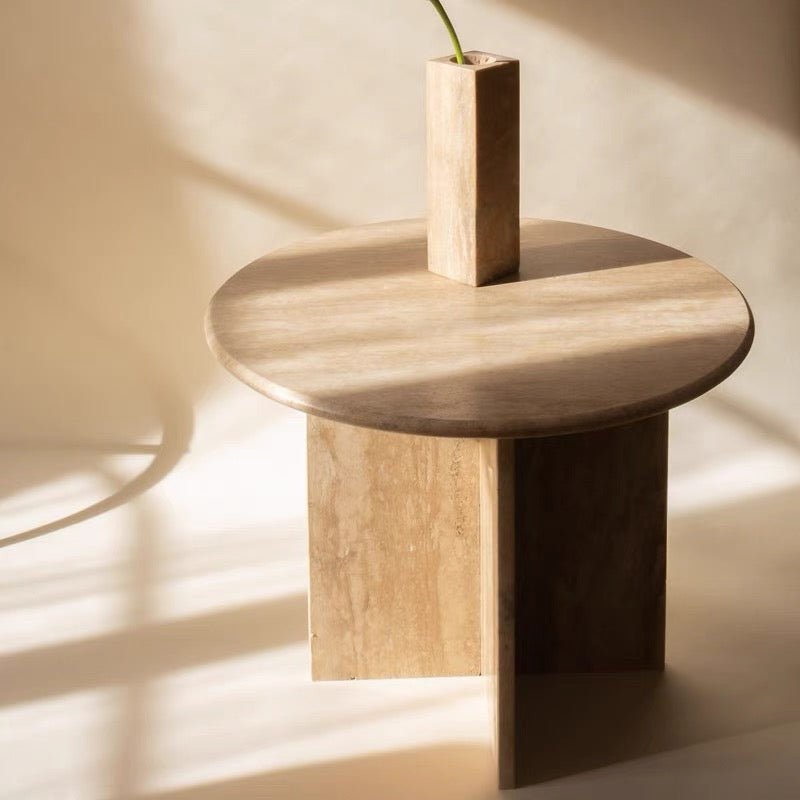
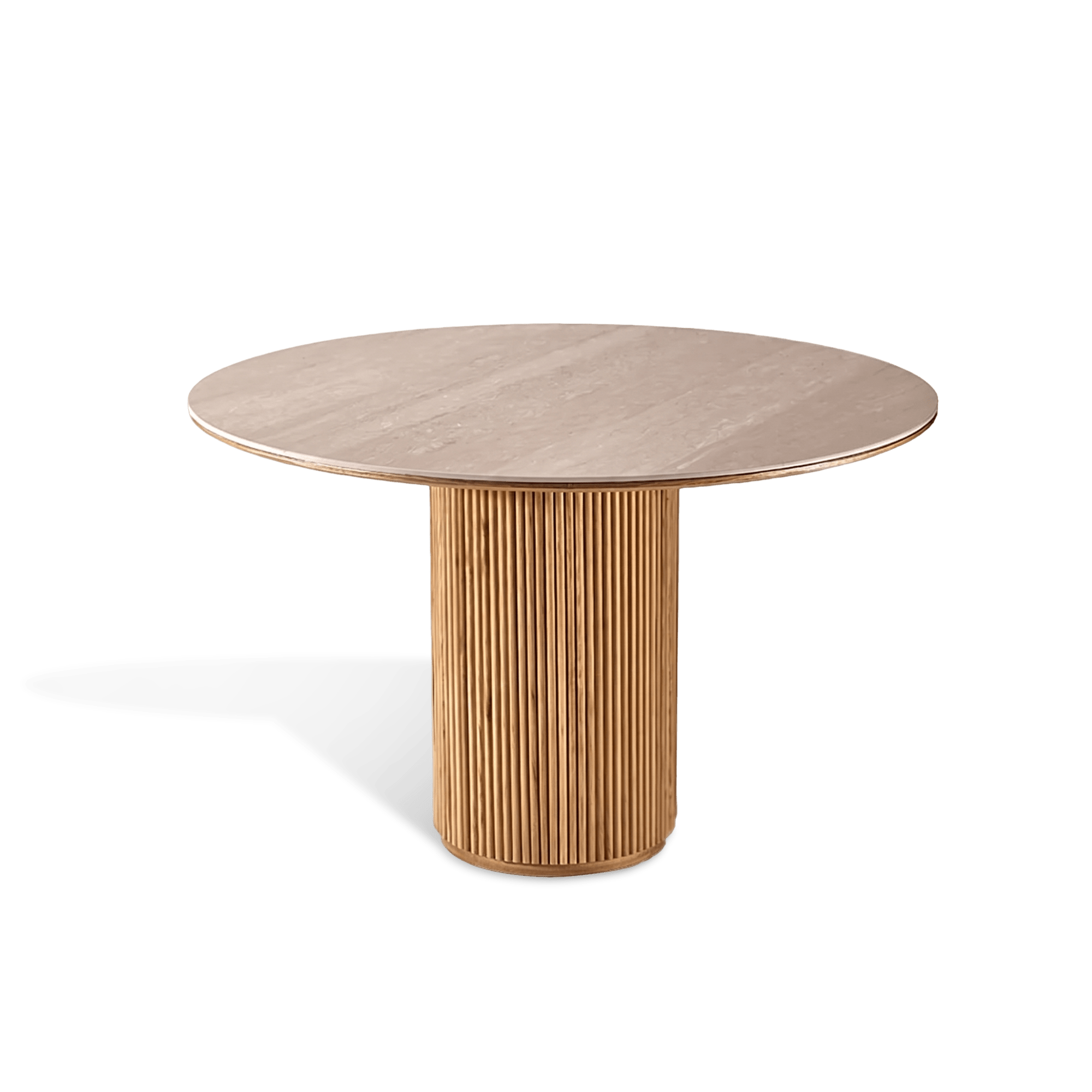
Round Plinth Travertine Coffee Table - Artspire Home
Sale price$454.00 Regular price$649.00
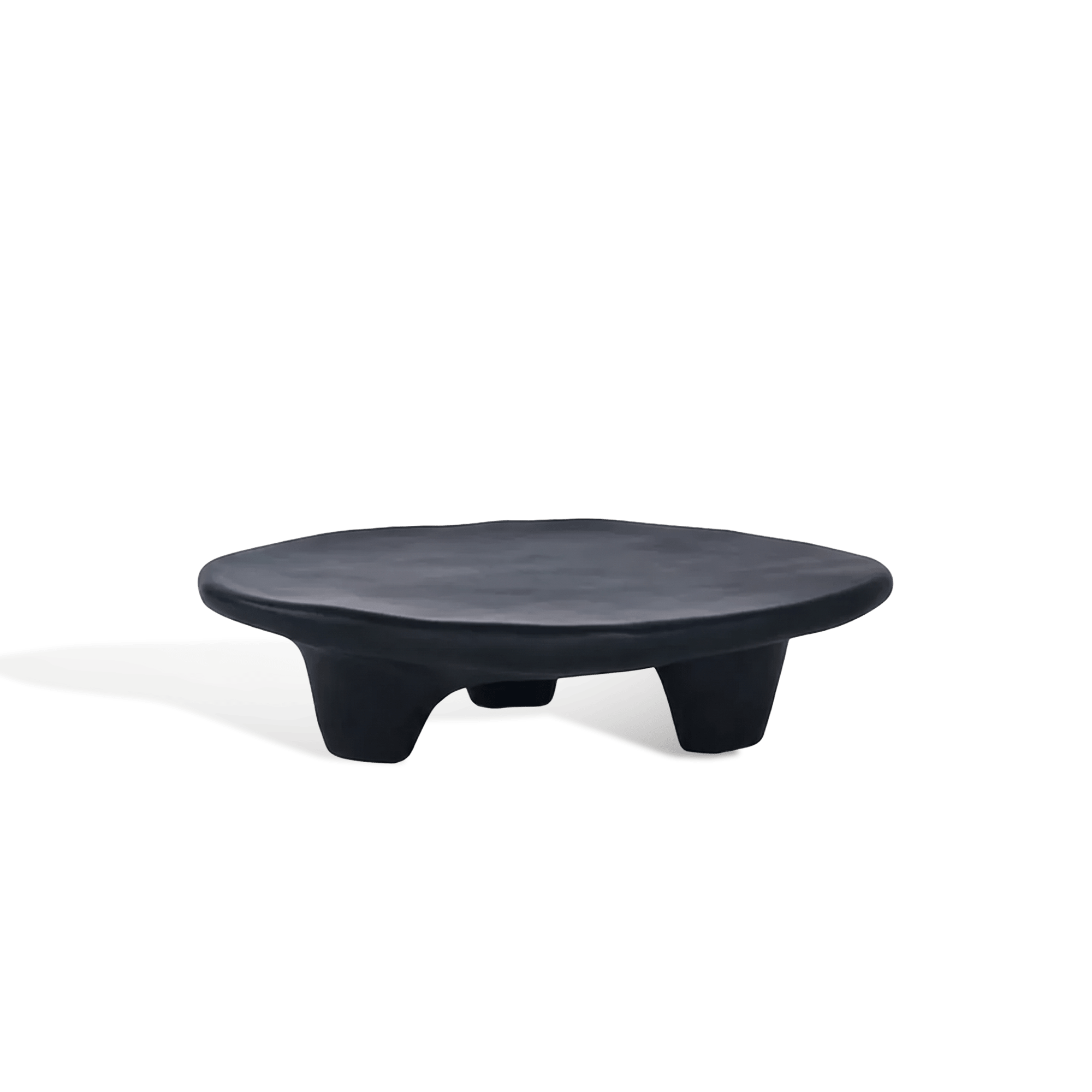
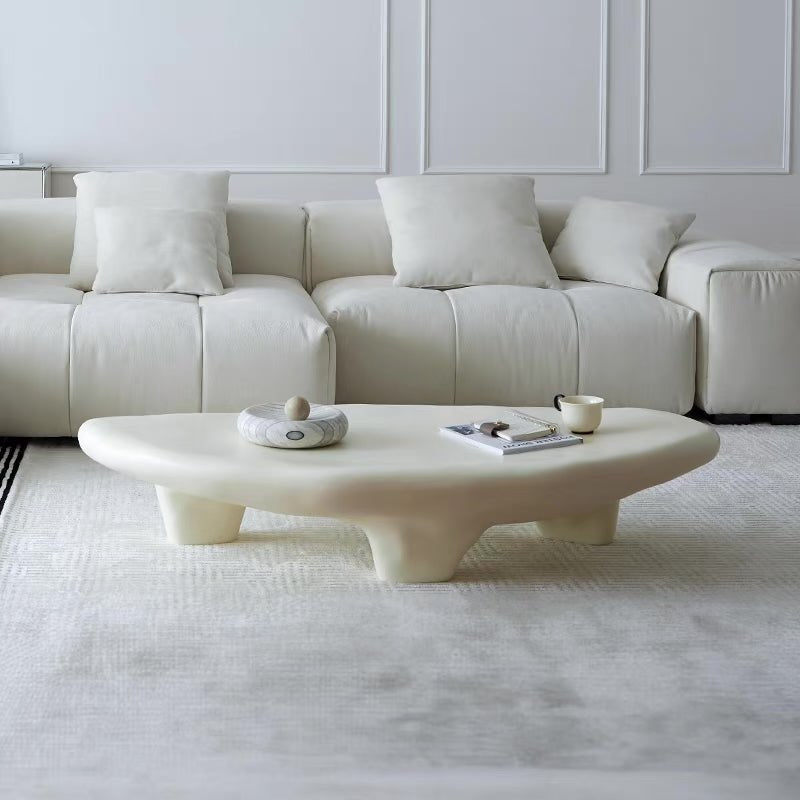
Sculpted Tripod Coffee Table - Artspire Home
Sale price$850.50 Regular price$1,215.00
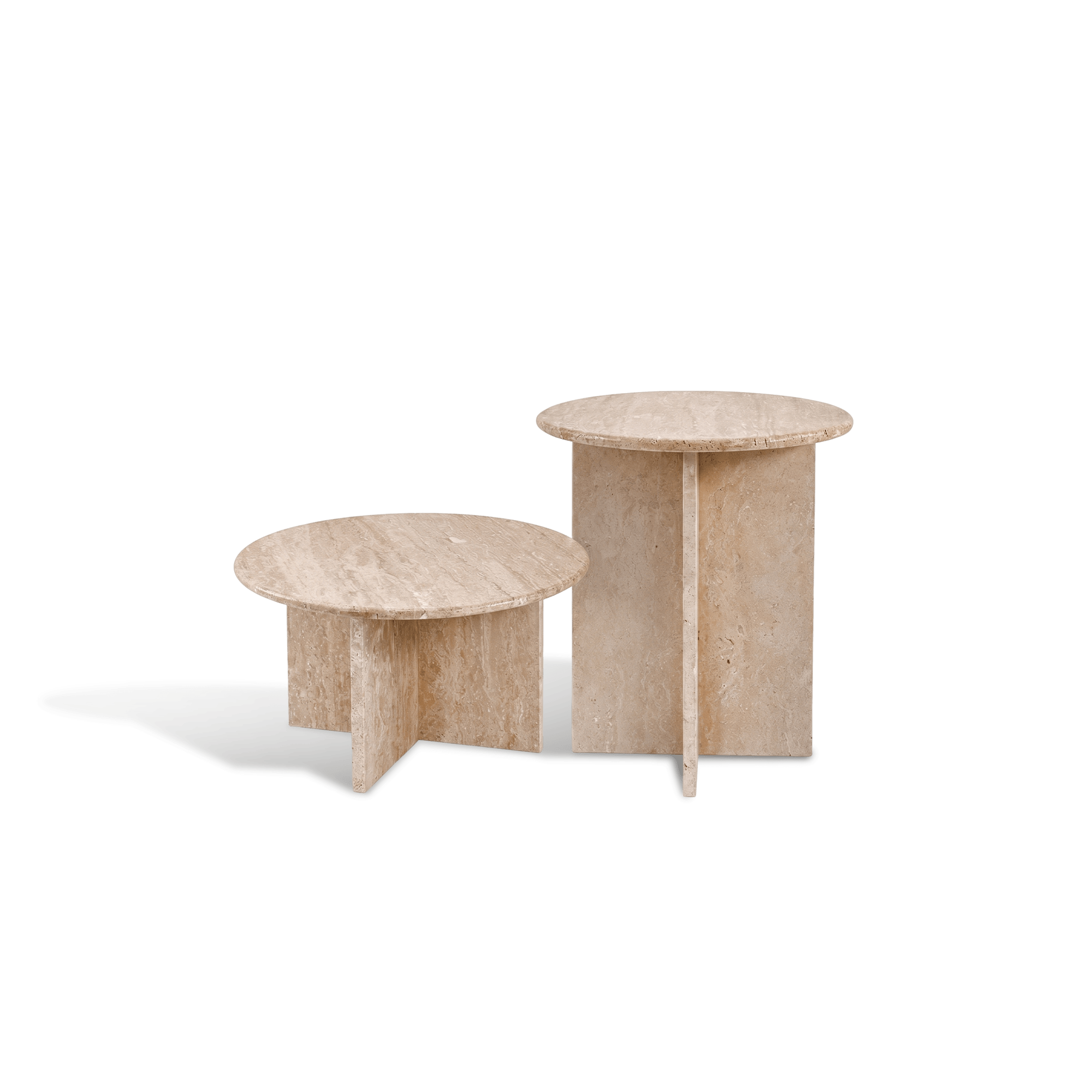
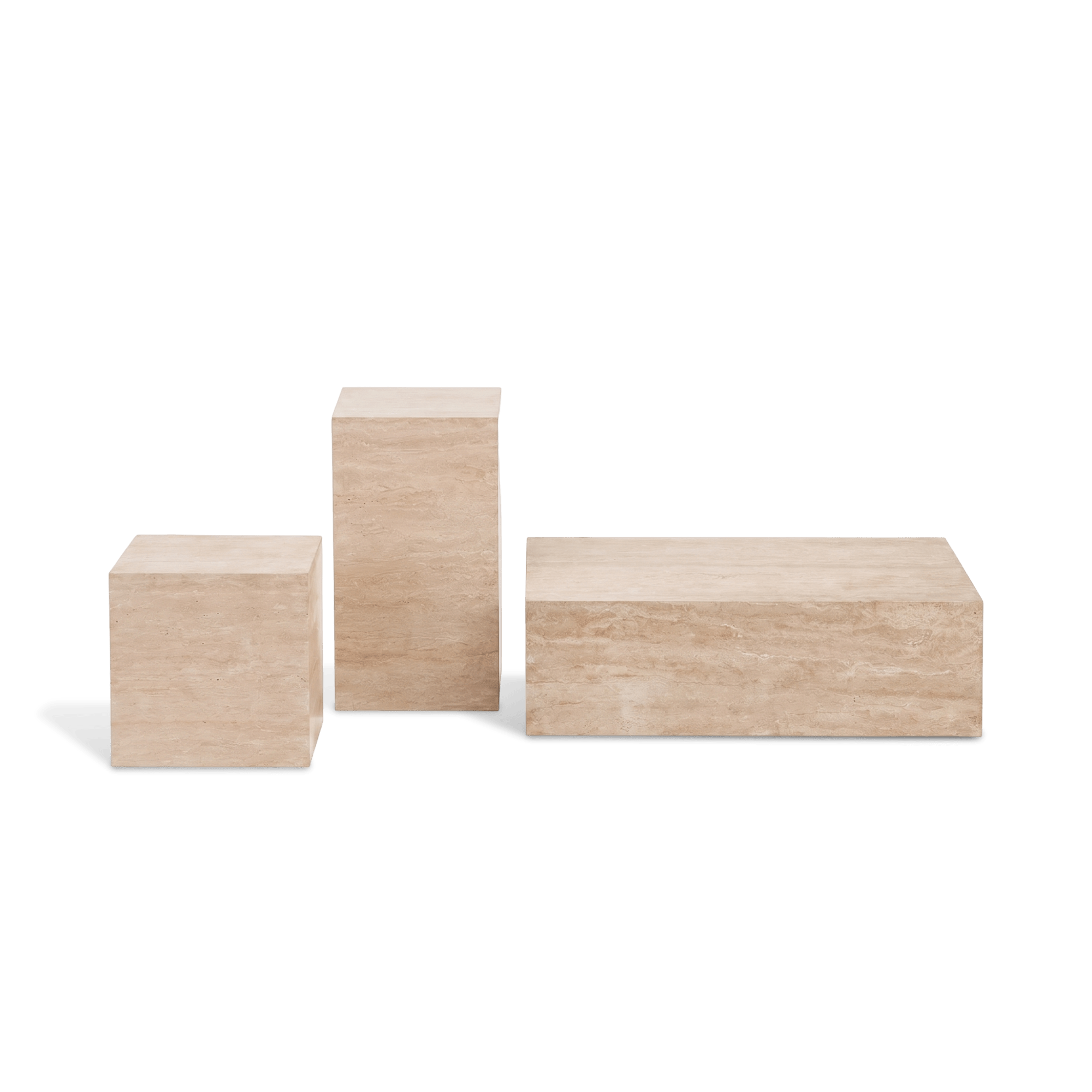
Stone Coffee Table - Plinth Travertine Coffee Table - Artspire Home
Sale priceFrom $559.00 Regular price$799.00
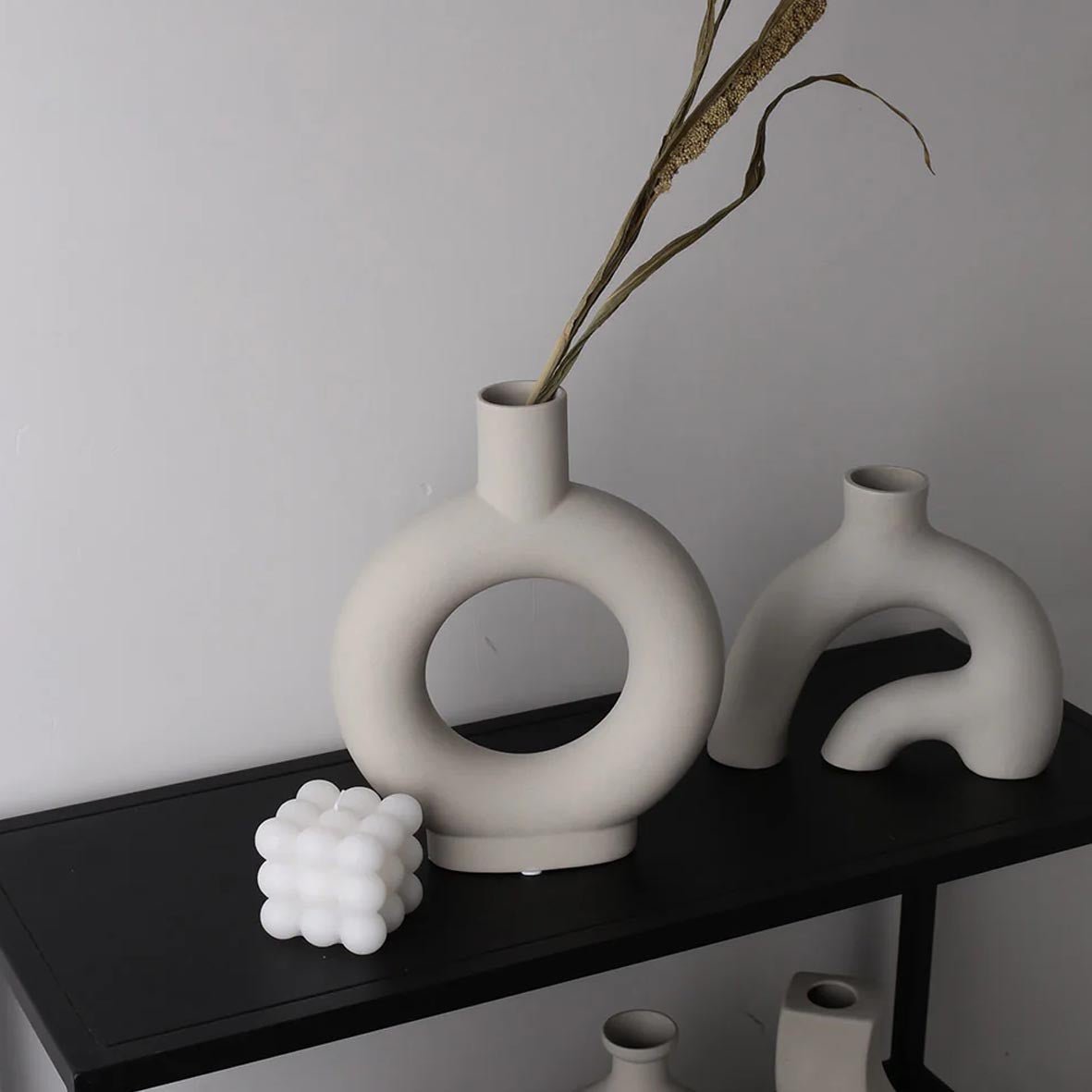
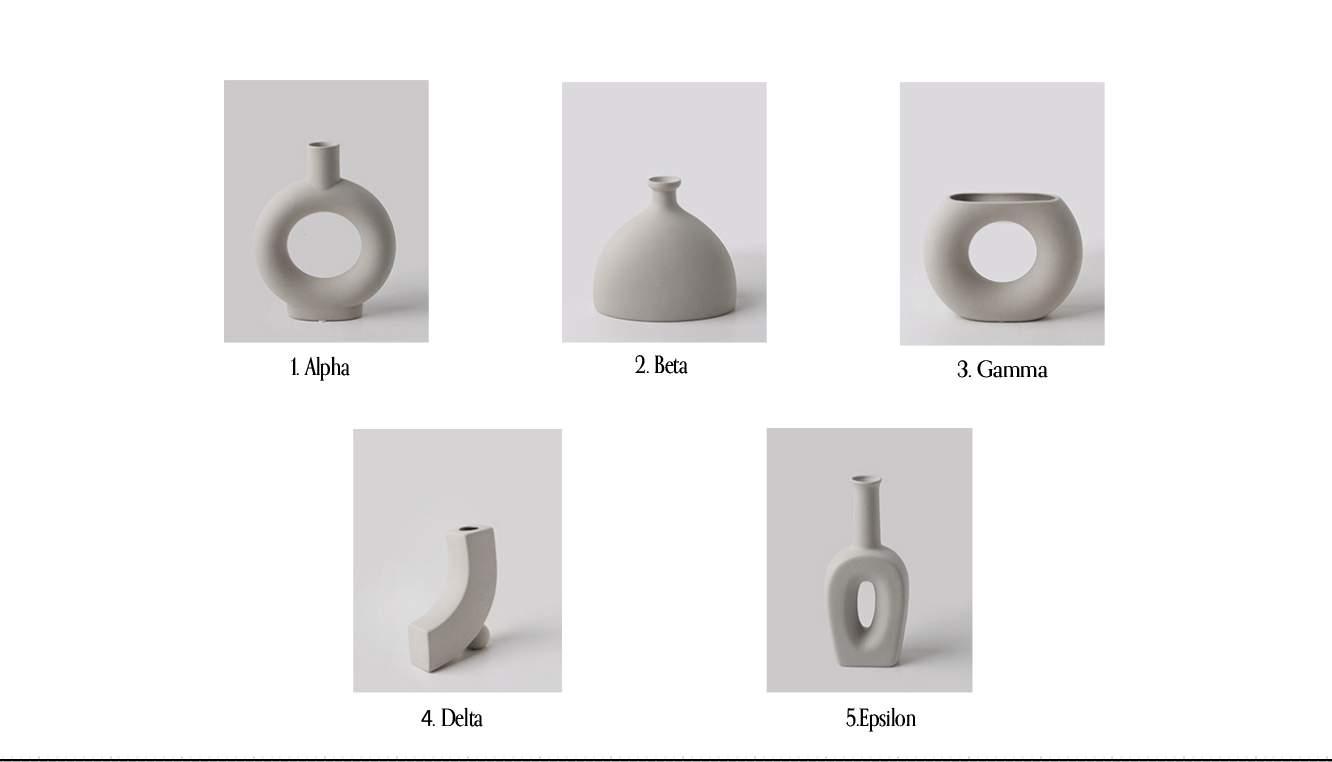
Ceramic Abstract Vase - Artspire Home
Sale priceFrom $27.00
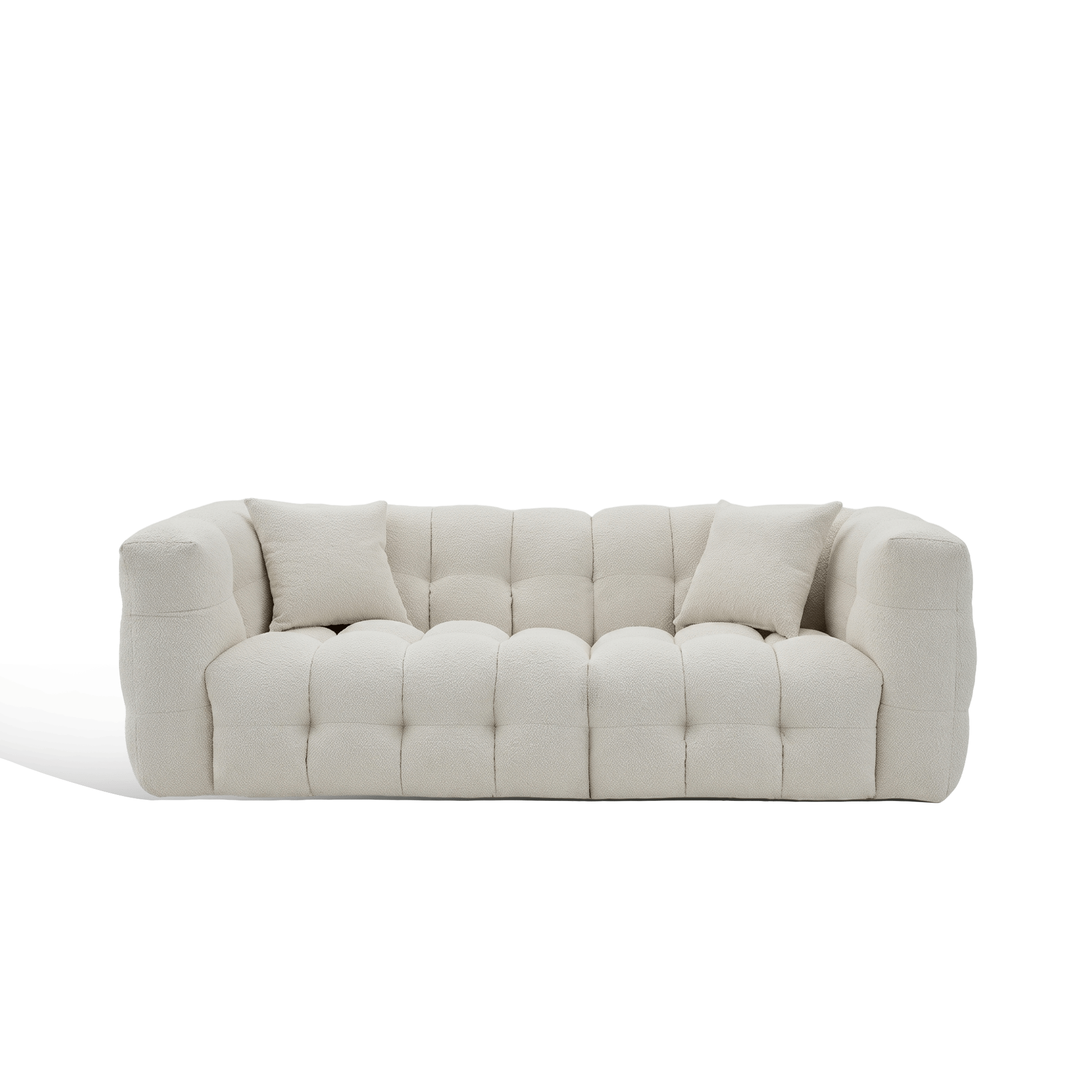
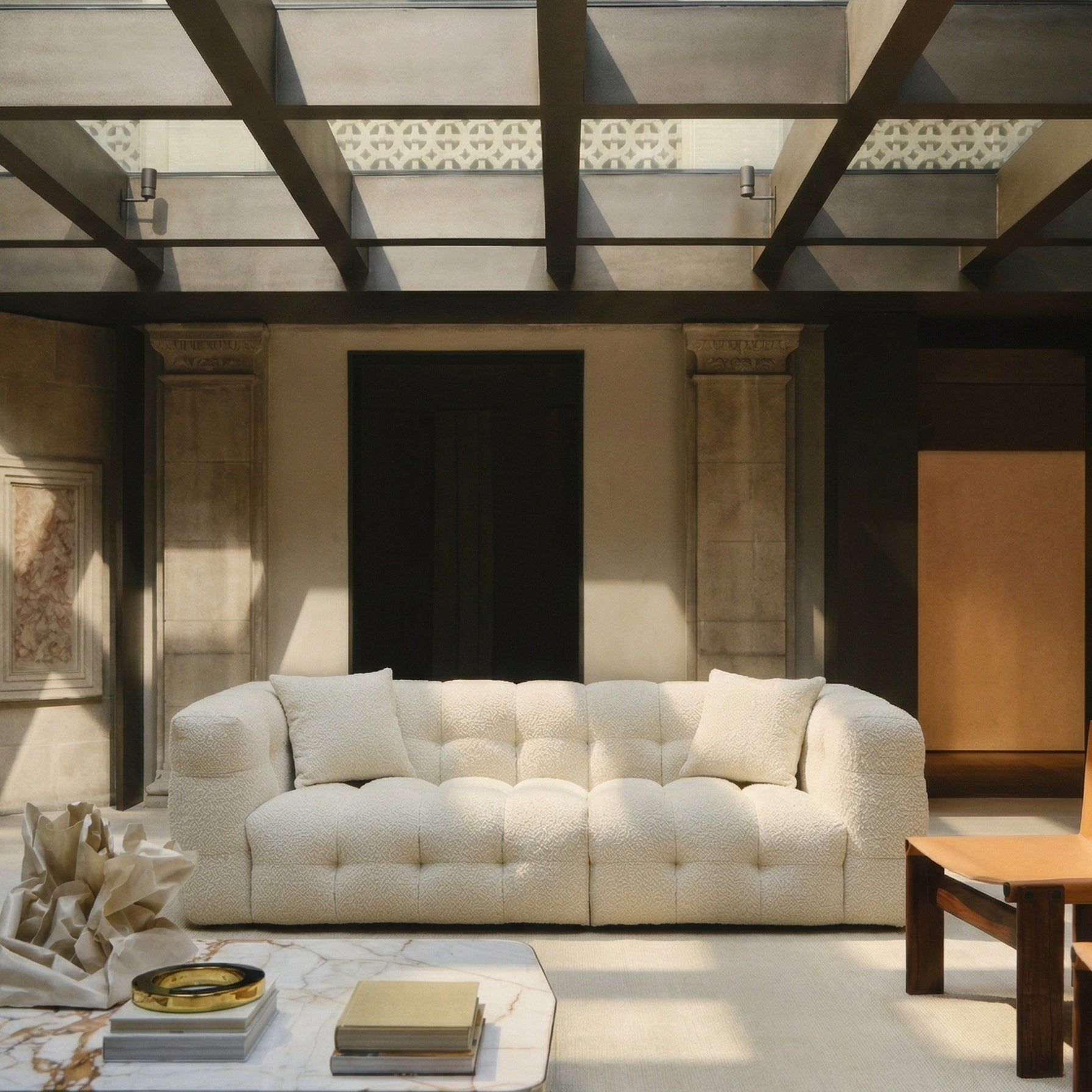
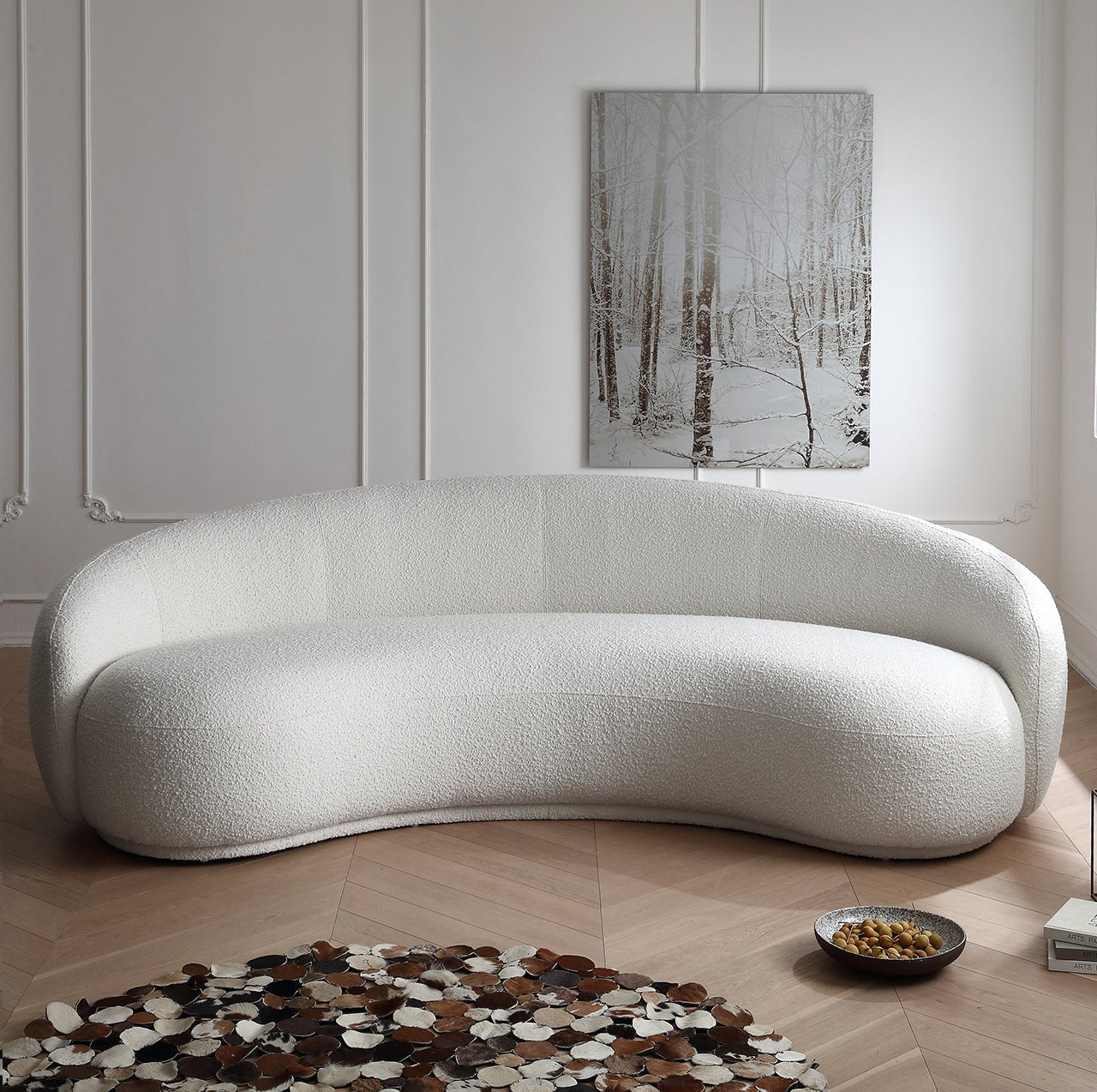
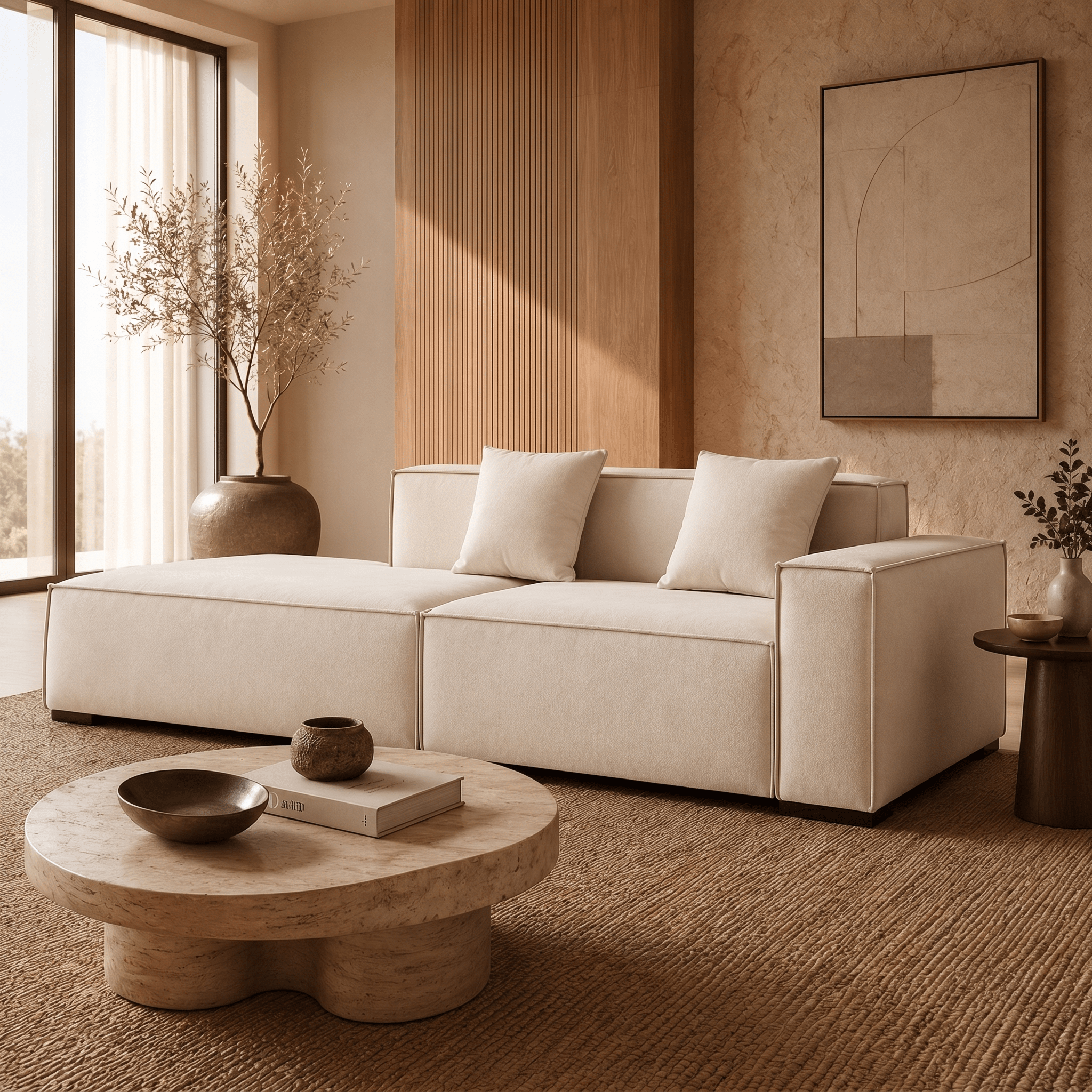
Marshmallow Sofa - Artspire Home
Sale priceFrom $499.50 Regular price$999.00
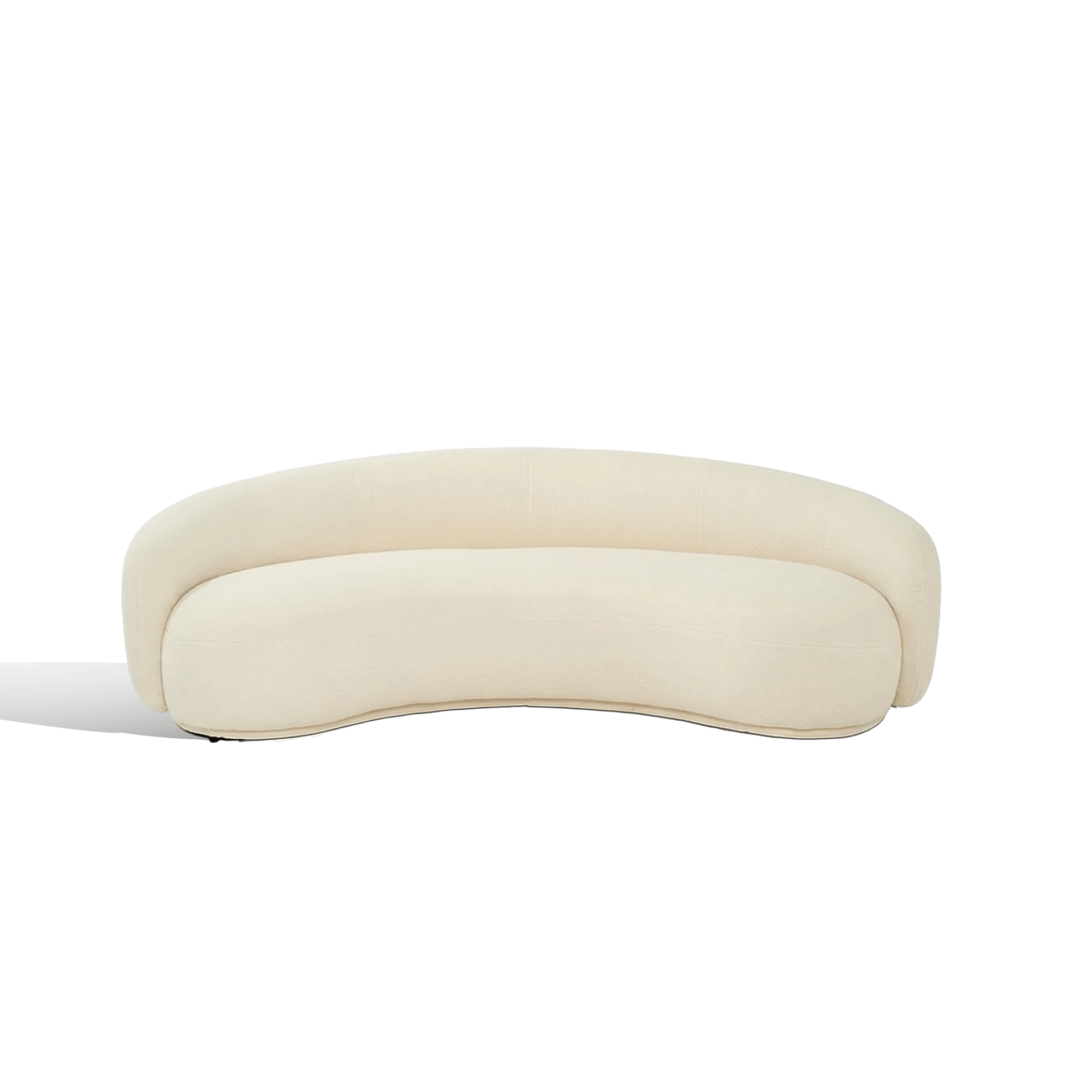
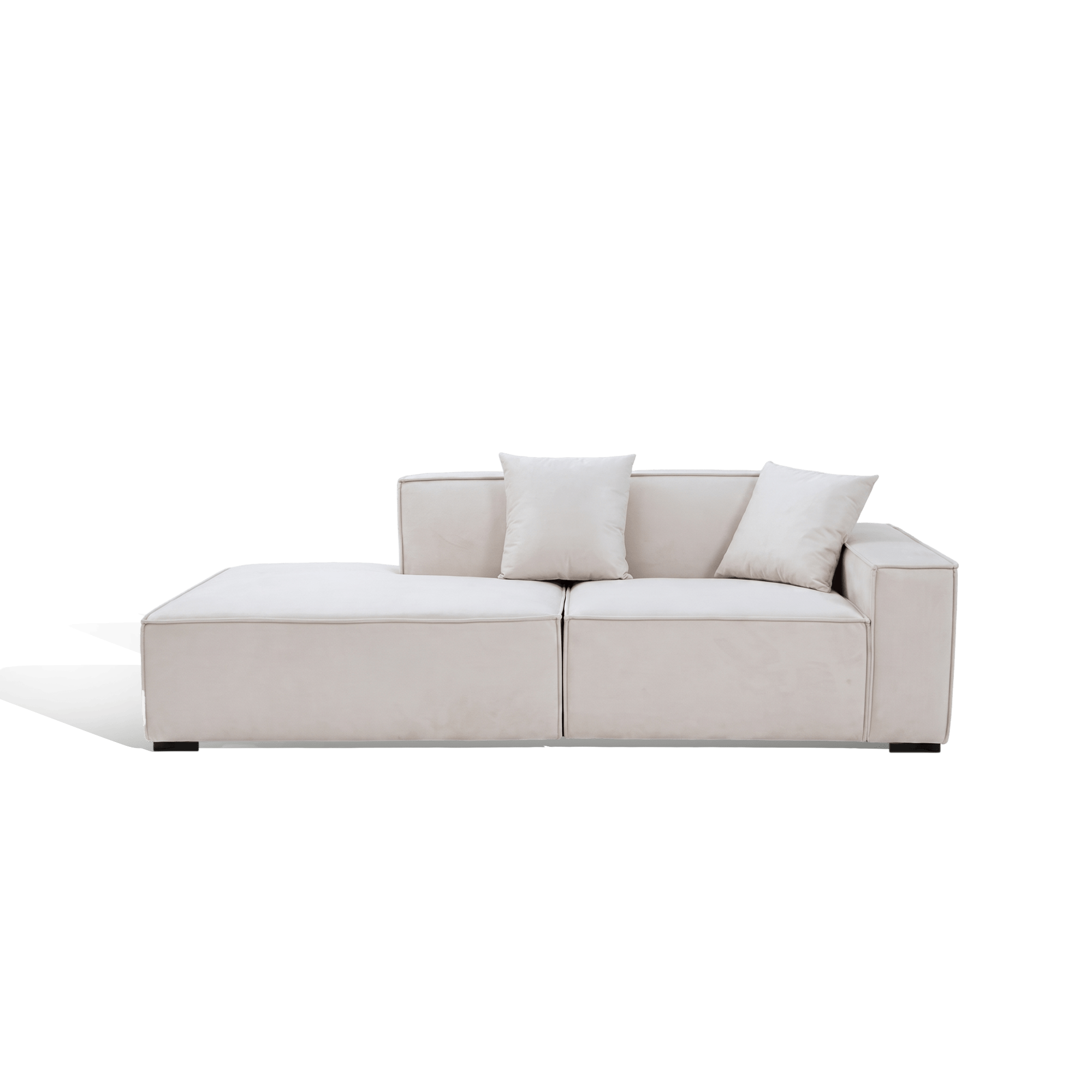
Curved Sofa Marilena Sofa White - Artspire Home
Sale priceFrom $1,399.00 Regular price$1,998.00
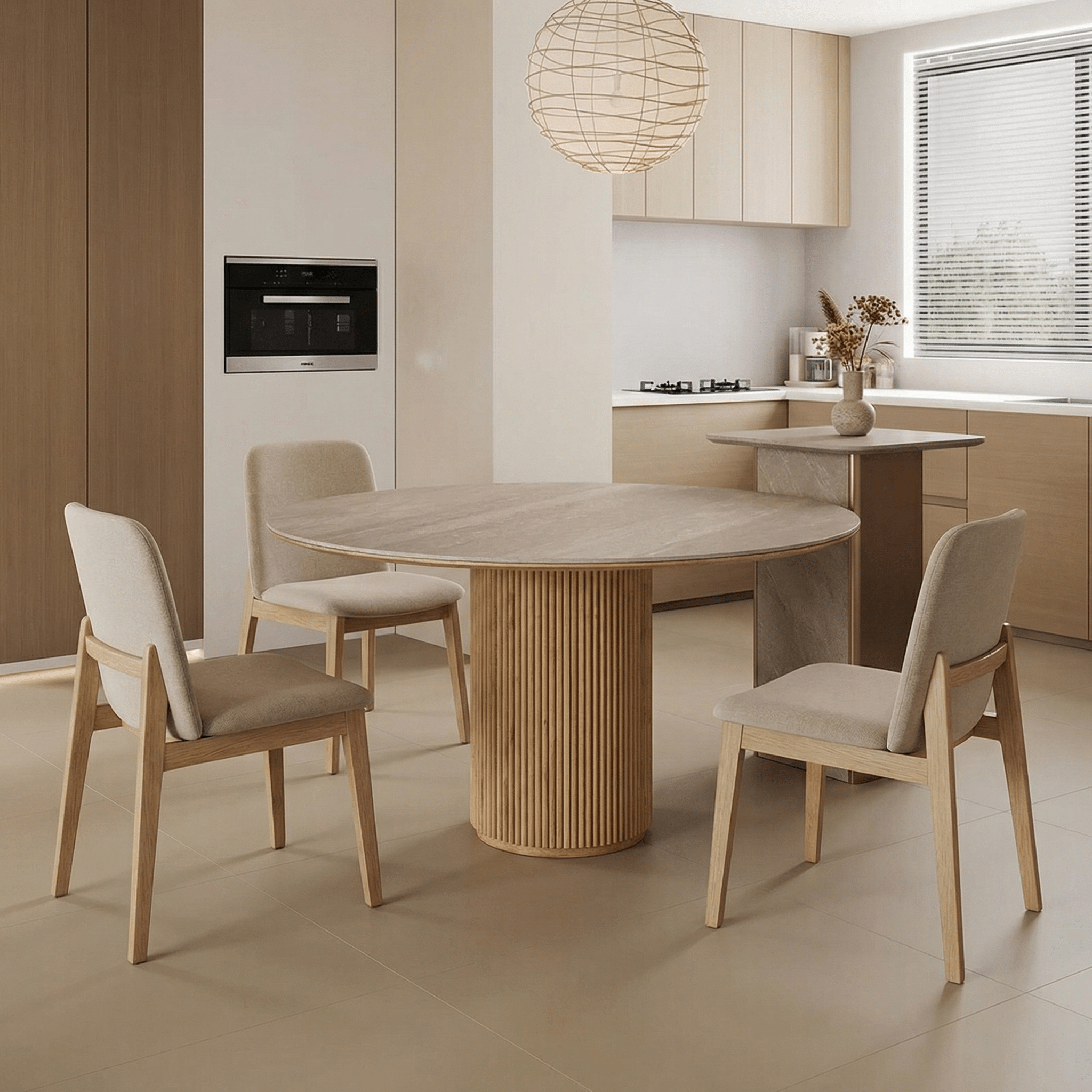
Marianna Dining Table - Artspire Home
Sale priceFrom $1,399.50 Regular price$2,799.00
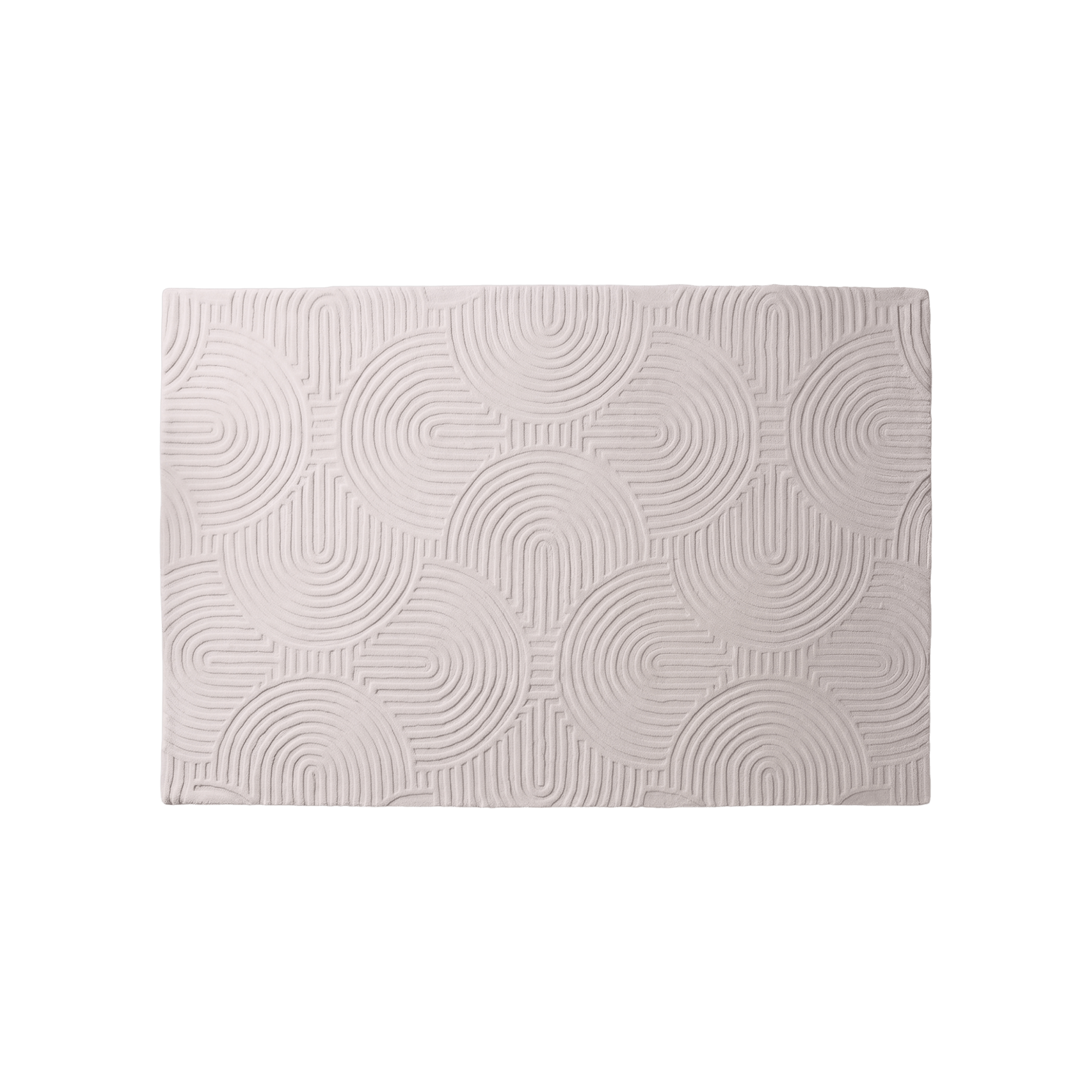
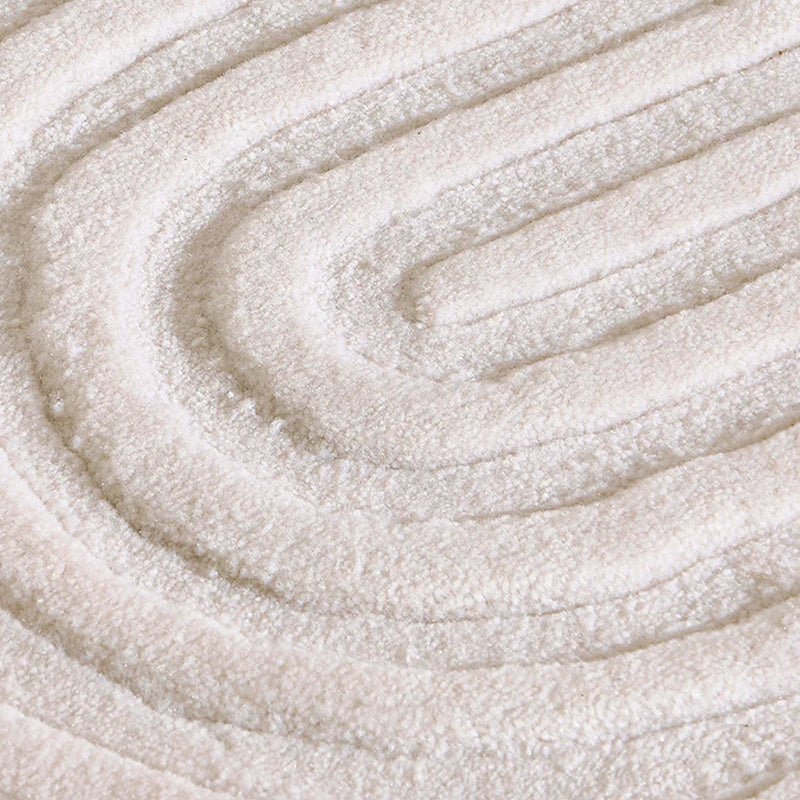
Handmade Zen Wave Rug - Artspire Home
Sale priceFrom $559.00 Regular price$799.00
Block Sofa - Artspire Home
Sale priceFrom $1,299.50 Regular price$2,599.00
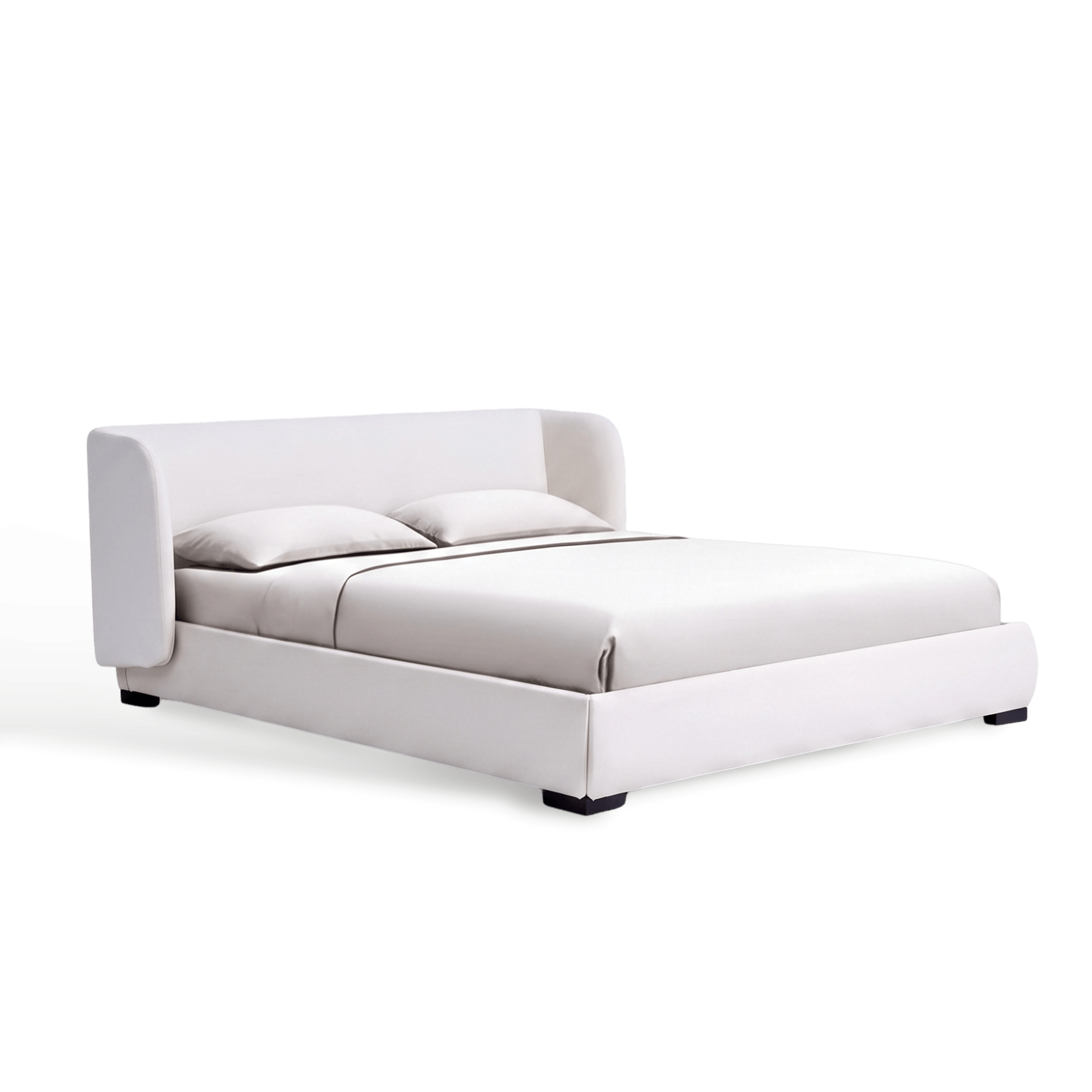
Minimalist Bed - Artspire Home
Sale priceFrom $1,417.50 Regular price$2,835.00

Wabi-sabi is the Japanese aesthetic of considered imperfection — pieces that embrace asymmetry, organic forms, and the patina of materials aging gracefully. This collection assembles furniture in that spirit: travertine with visible pitting, hand-finished timber, raw linen, sculptural ceramics and the slightly irregular silhouettes
that machine-perfect mass production cannot replicate. Often paired with the Japandi style (Japanese minimalism + Scandinavian functionality), wabi-sabi suits homes that prioritise quietness, materiality and slow design.

FAQ

What does "wabi-sabi" mean in furniture terms?

It refers to design that embraces natural imperfection — visible grain, asymmetric forms, materials that show their character. The opposite of high-gloss, factory-perfect aesthetics.

How do I style a wabi-sabi room?

Limit colour palette to natural tones (cream, oak, terracotta, charcoal). Use raw materials (linen, jute, travertine, unfinished oak). Avoid synthetic finishes and excessive symmetry.

Is wabi-sabi the same as Japandi?

Closely related but not identical. Japandi blends Japanese minimalism with Scandinavian functionality; wabi-sabi specifically emphasises the beauty of imperfection. A Japandi room is often wabi-sabi; a wabi-sabi room is often Japandi.